













Back
Back
Back
Back


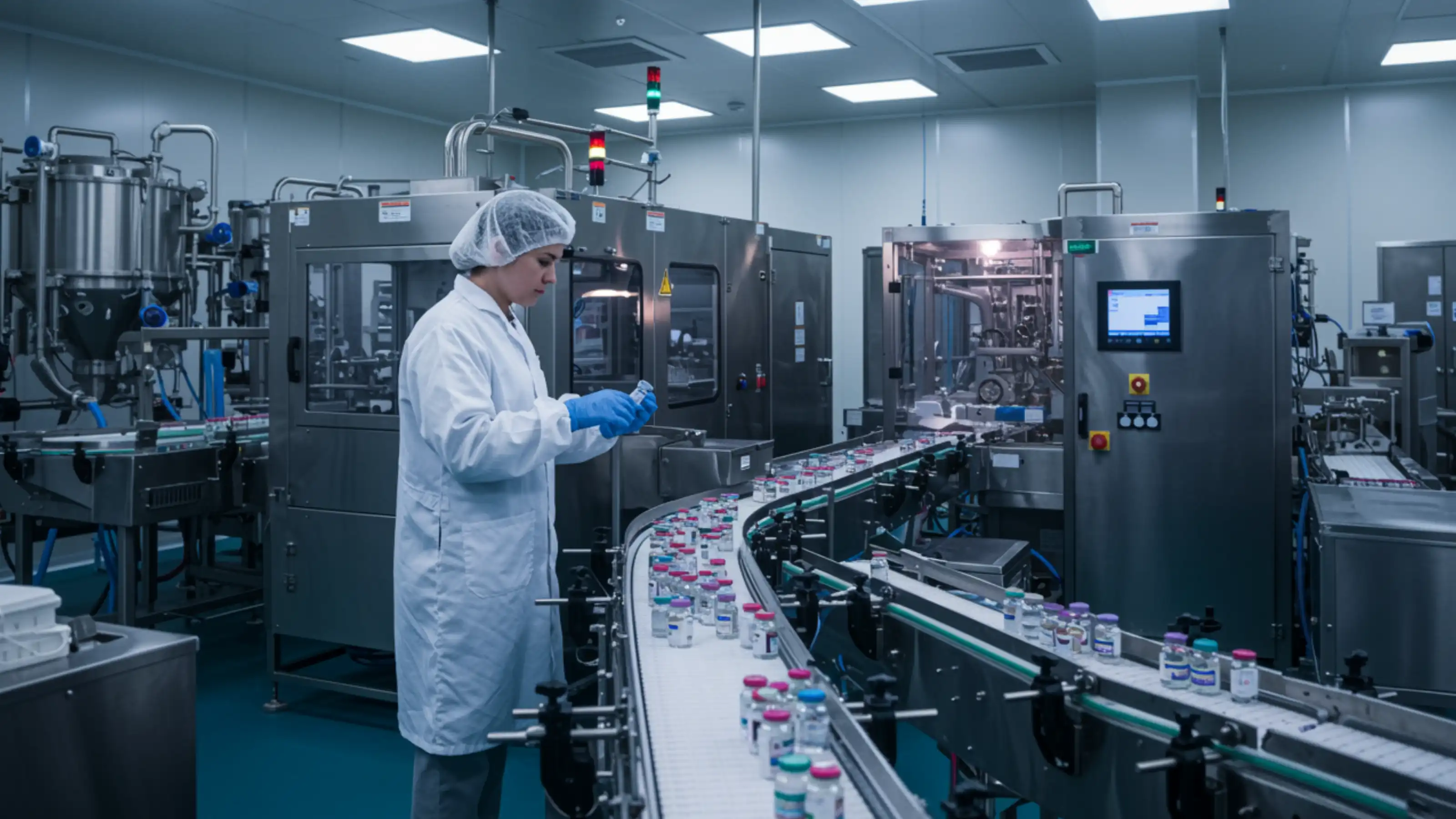
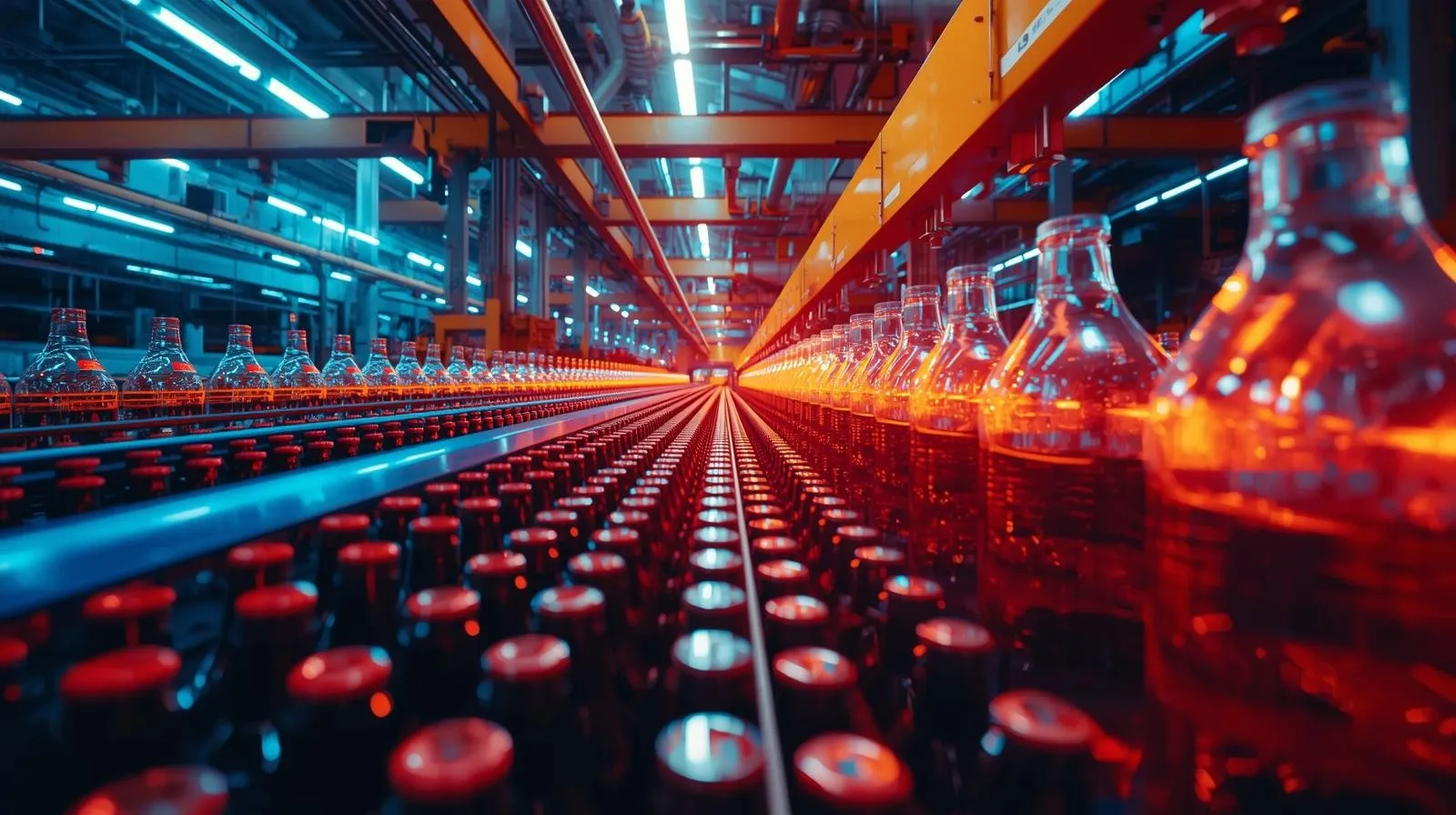
Production line balance is one of the most persistent challenges in manufacturing. Whether in bottling, packaging, electronics, or consumer goods, every line is an interdependent ecosystem. When one machine slows down or a process drifts out of sync, the impact cascades: buffers overflow, downstream stations starve, and throughput degrades across the entire operation.
In this video, Riley Carlson, Solution Analyst at IndX, explains how IndX and Aleph are solving this problem by combining two powerful capabilities: Siemens Tecnomatix Plant Simulation and AI-driven real-time control.
The approach begins with the digital twin. IndX uses Plant Simulation to model, validate, and optimize production line configurations before they go live, identifying the best machine speeds, buffer sizes, and cycle times to meet throughput and efficiency targets.
But designing an optimal line is only the beginning. Once production starts, real-world variability pushes performance away from the ideal. That is where the Smart Manufacturing Control (SMC) comes in. The same simulation model that designed the line becomes a virtual training environment for an AI agent. The AI runs thousands of experiments inside the digital twin, learning how to maintain line balance under different disruption scenarios. Once trained, the SMC deploys directly to edge devices on the production floor, continuously reading live production data and adjusting equipment speeds and buffer management in real time.
The result is a production line that adapts to variability instead of being degraded by it: higher throughput with existing equipment, fewer micro-stoppages, stable flow, optimized buffer usage, lower energy consumption, and reduced operator intervention.
Filmed on location at MxD, the Manufacturing x Digital innovation center in Chicago.