








What this Solution Fixes

logo
Disconnected industrial devices and systems limit data accessibility and insight
logo
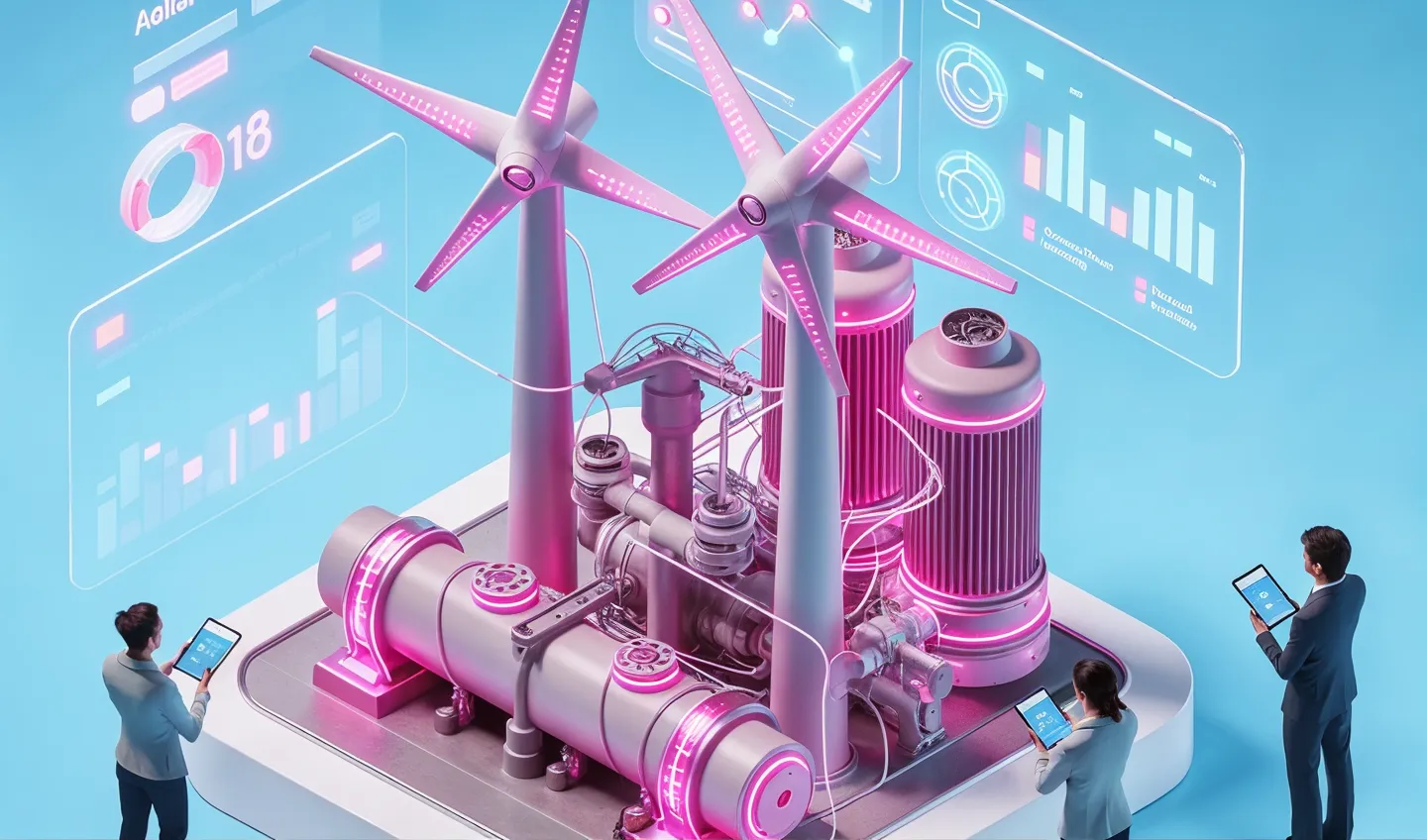
IIoT connects physical devices to enable communication and data exchange
logo
Complex and fragmented network architectures increase operational overhead
logo
IIoT unifies enterprise network architecture and simplifies data access
logo
Limited automation and visibility reduce operational efficiency
logo
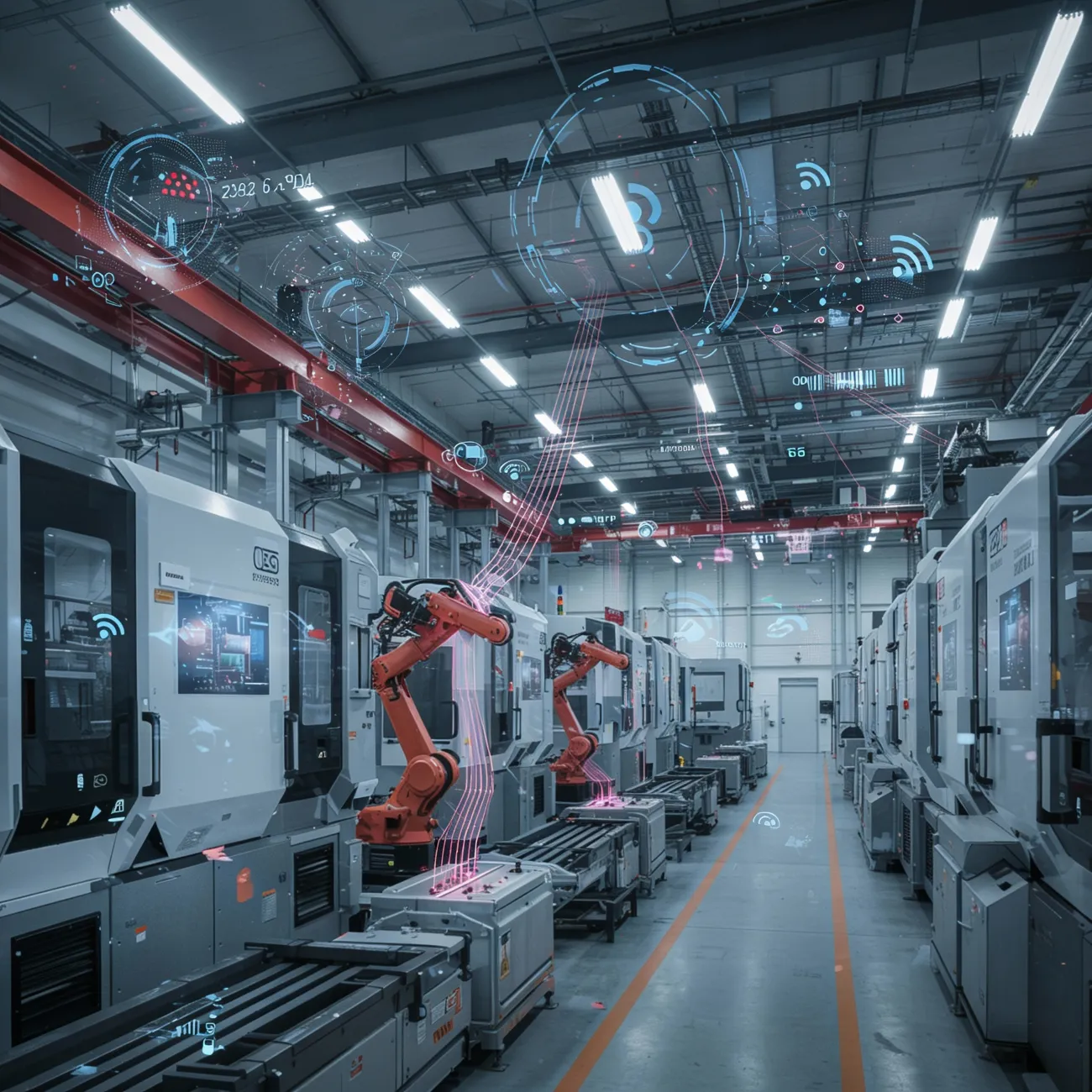
IIoT enables increased data collection, analytics, and factory automation
logo
IIoT adoption can be difficult for manufacturers with varying sizes, budgets and levels of digital maturity.
logo
IIoT solutions can use cloud-based and low-code technologies to support manufacturers at different stages of digitalization.

What is the Internet of Things (IoT)?

The Internet of Things, or IoT, is a network of physical devices that are able to communicate and exchange data using the existing infrastructure provided by the Internet. These physical devices, or “things,” range in nature from consumer-grade smart devices to large, complex pieces of manufacturing equipment. Each “thing” within the IoT is equipped with a set of embedded electronics allowing for the physical device to communicate, collect data, be controlled remotely or perform a number of other desirable functions. The power of the IoT lies in the fact that each of these devices has the capability to communicate with one another and exchange data using the well-established protocols provided by the existing infrastructure of the Internet as a whole. This opens the door for a truly integrated environment in which each device has access to the data it needs, when it needs it and without the hassle of dealing proprietary protocols or complex network architectures.

What is the Industrial Internet of Things (IIoT)?

The Industrial Internet of Things, or IIoT, is a sub-category of the broader Internet of Things that deals specifically with devices within the industrial context. Many experts believe that the widespread adoption of the IIoT is ushering in the Fourth Industrial Revolution, sometimes termed Industry 4.0. The potential benefits provided by widespread use of the Industrial Internet of Things certainly lend credence to some of the other technologies that are currently considered to be a part of the Industry 4.0 vision. The IIoT has increasingly been driving and continues to drive significant growth in the manufacturing and transportation sectors worldwide. In fact, studies show that the adoption of IIoT-related technologies will result in a 12 trillion-dollar growth of the global GDP by the year 2030.

Capabilities of the Industrial Internet of Things (IIoT)

Of course, there are many operational advantages and business benefits that can from creating a network of physical "things" powered by software, sensors and electronics along with network connectivity in order to facilitate the collection and exchange of data. In general, the benefits of implementing technologies leveraging the IIoT can be summarized in three main points:

  • Unifying the enterprise network architecture reduces network complexity and ensures enterprise data accessibility
  • Increasing data collection capabilities enables deeper insight into manufacturing operations through analytics
  • Enabling factory automation reduces manual intervention and can improve safety, efficiency, and utilization of human resources

Benefits of the Industrial Internet of Things (IIoT)

  • Reduce digital architecture complexity and improve network performance
  • Reduce network-related maintenance costs and potentially increase security
  • Increase data collection capabilities and accessibility
  • Improve factory automation capabilities
  • Improve performance visibility
  • Improve process efficiency
  • Reduce machine downtime
  • Increase capacity for accurate operations planning

IndX Expertise

With a growing global practice and team of experts focused on delivering cloud-based, low-code and Industrial Internet of Things-driven solutions to organizations worldwide, IndX is enabling a new wave of transformation for companies that have been unable to access its benefits up until now. Combining the power of leading technologies with our unique knowledge across the Digital Thread for Industry 4.0, out approach to IIoT is helping accelerate the digitalization initiatives of all manufacturers, regardless of size, budget or where they stand today along their digital maturity journeys.

No items found.

Our Approach

1
Unified Industrial Connectivity
Simplify architectures by unifying devices, networks and data flows.
2
Scalable Industrial Data Enablement
Expand data collection securely across assets, sites and enterprises.
3
Automation-Ready IIoT Foundation
Enable automation, analytics and Industry 4.0 at scale.

Fabio Sala

Vice President, North America
Fabio brings over 25 years of experience delivering enterprise manufacturing software and Industry 4.0 programs, with senior leadership roles across Siemens and IndX in consulting, delivery, and industry management. At IndX, he leads large-scale manufacturing initiatives for global clients across North America and is an advisor to manufacturing companies on AI.
talk with our experts
No items found.
image
Food & Beverage Manufacturing
image
30
min
Coca-Cola HBC's Journey to OT/IT Convergence
watch now
image
image
Food & Beverage Manufacturing
image
2
min
How Founders Brewing Boosted Efficiency with Smart OEE
watch now
image
image
Digital Manufacturing
image
3
min
SPACE1 Augmented Collaboration for Industry 4.0
watch now
image
No items found.

Start Your Digital Thread With IndX

Fix execution at the source

When engineering, manufacturing, supply chain, and analytics run on disconnected data, problems compound downstream. IndX helps you establish a controlled digital thread that turns intent into reliable execution. Start with a free assessment call.
Thank you! Your submission has been received!
Oops! Something went wrong while submitting the form.