





















Back
Back
Back
Back
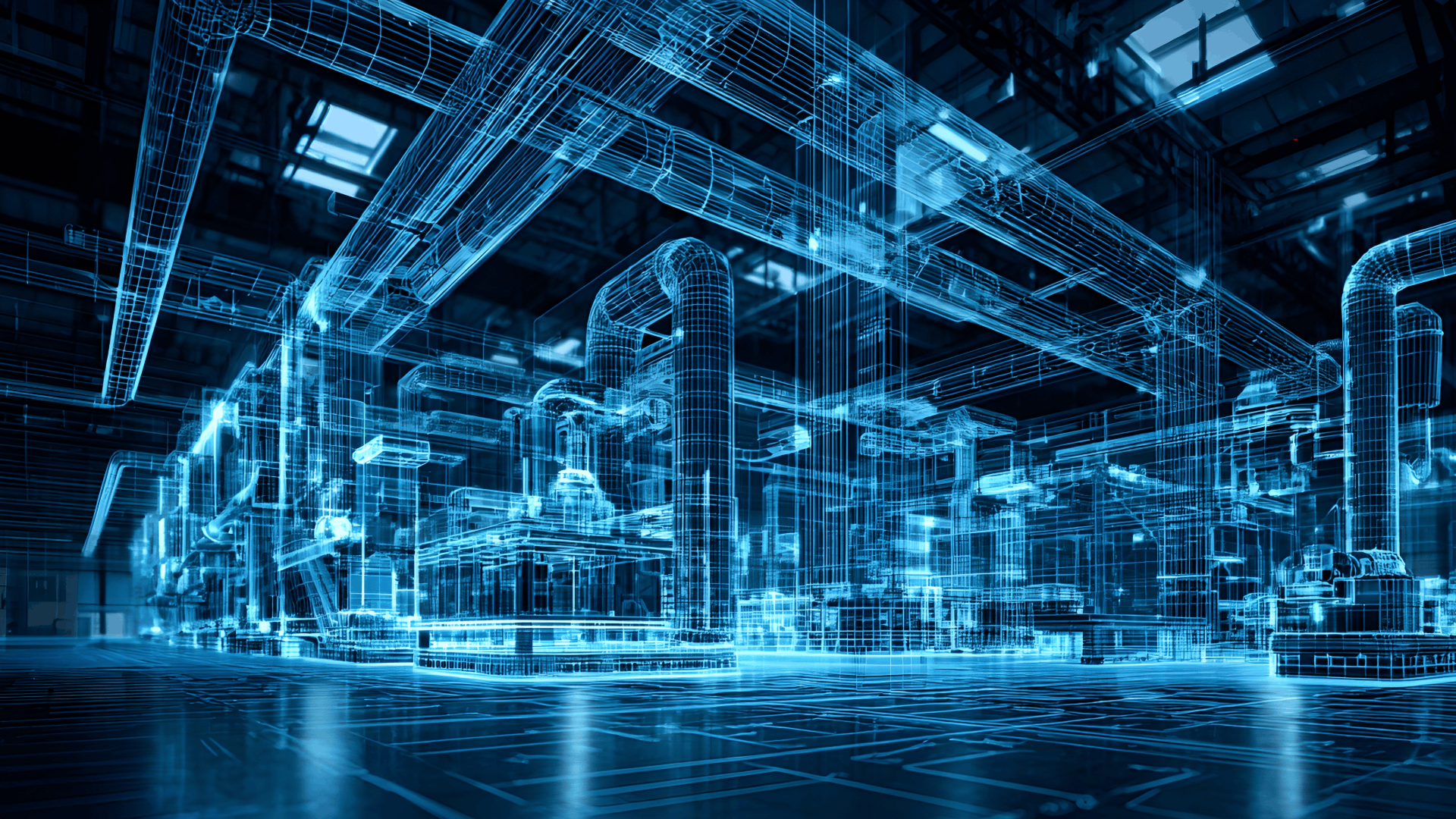
Industrial machinery has become increasingly complex, and manufacturers need more than advanced design tools to stay competitive. Disconnected engineering processes, isolated simulation data and traditional physical testing can slow innovation and make it harder to understand how products will perform in real-world conditions. A connected digital twin approach helps bridge these gaps by bringing together engineering, simulation and testing throughout product development.
In this Siemens white paper, discover how multiphysics simulation, AI-driven engineering and integrated digital workflows can help manufacturers evaluate designs earlier, reduce reliance on physical prototypes and improve collaboration across engineering disciplines. Learn how digital twins can extend beyond product development to support virtual commissioning, equipment diagnostics, maintenance planning and more informed operational decisions.


Break down engineering silos: Connect simulation, testing and product development workflows to improve collaboration and keep teams working with current data.
Model complex systems earlier: Use multiphysics simulation to understand product behavior, evaluate design decisions and identify potential issues before physical testing.
Accelerate product innovation: Explore design alternatives virtually and reduce dependence on traditional design-prototype-test cycles.
Extend digital twins into operations: Reuse engineering models to support virtual commissioning, equipment diagnostics and maintenance planning.
Connect people, processes and technology: Combine simulation, physical testing and operational data to support decisions throughout the product lifecycle.


Use multiphysics modeling and simulation to understand how geometry, materials and operating conditions influence system performance.

Evaluate design alternatives in a virtual environment to improve performance, identify opportunities and make more informed engineering decisions.

Replace repetitive physical prototyping with simulation-led evaluation to reduce development time and improve decision-making.

Connect simulation data, engineering teams and stakeholders through integrated workflows that improve collaboration across development activities.

“Industrial machinery companies with top-tier digital maturity achieve average annual growth of 6% in revenue and 9% in earnings.”
— Boston Consulting Group (BCG) Executive


