

















Back
Back
Back
Back


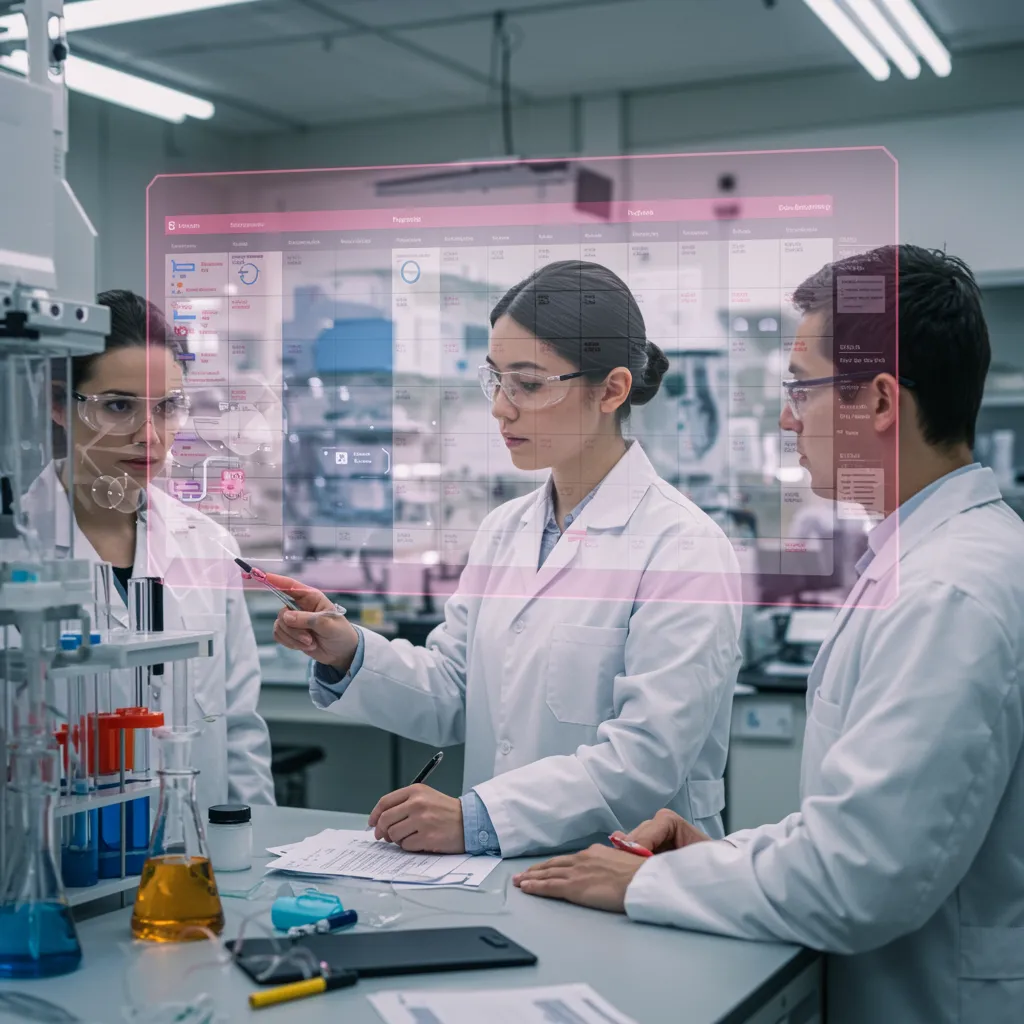


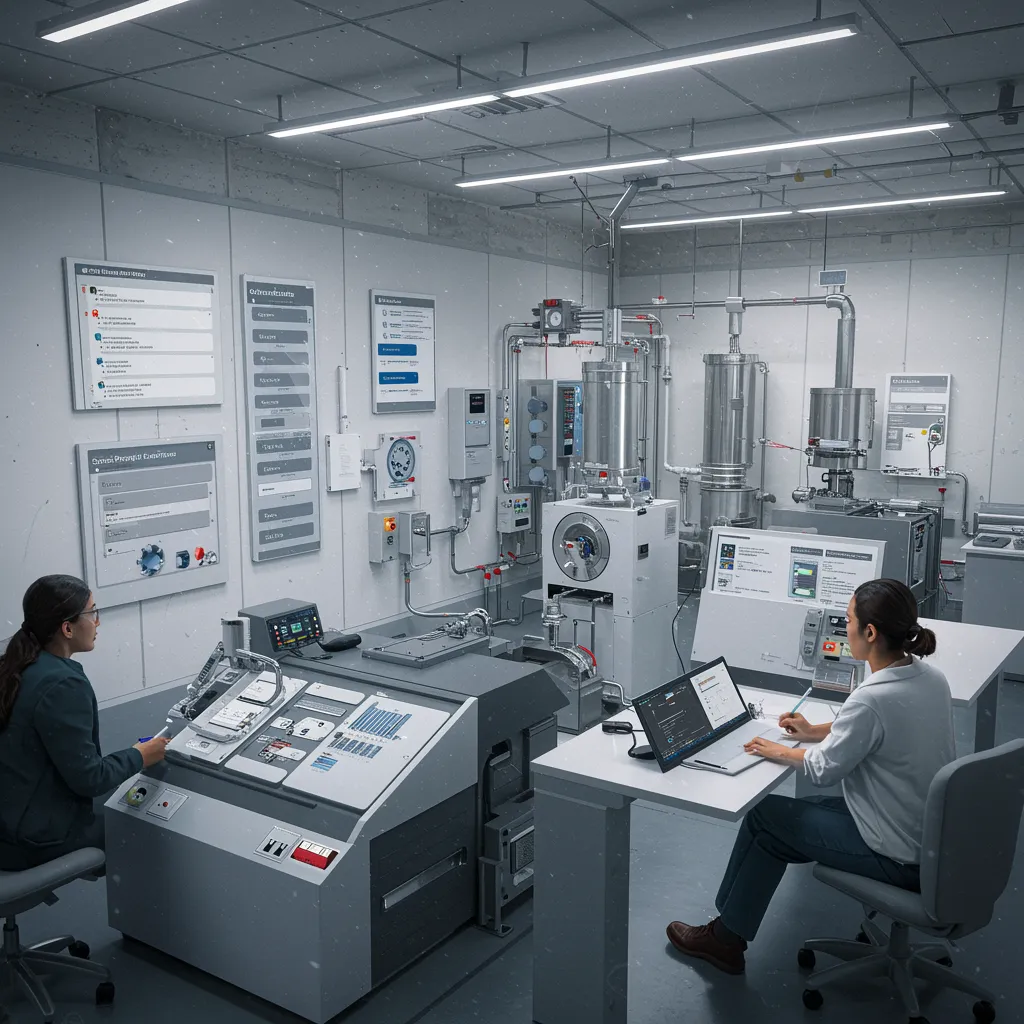
A Laboratory Information Management System (LIMS) is a software-based system that enables companies to effectively manage laboratory and associated data in order to improve lab efficiency. An effective LIMS supports and drives a modern laboratory’s operations and enables you to automate workflows, integrate instruments, and manage laboratory data and related information easily, quickly and reliably. LIMS also aim to make data and information easier to store, track and assess over time and across experiments, so that labs can continuously evaluate and improve their operational efficiency.
The key functions of a LIMS are laboratory sample management, laboratory instrument and application integration, and electronic data exchange with different departments including planning, product design, R&D and manufacturing. In addition, there are numerous additional operations that can be managed in a LIMS. This includes:
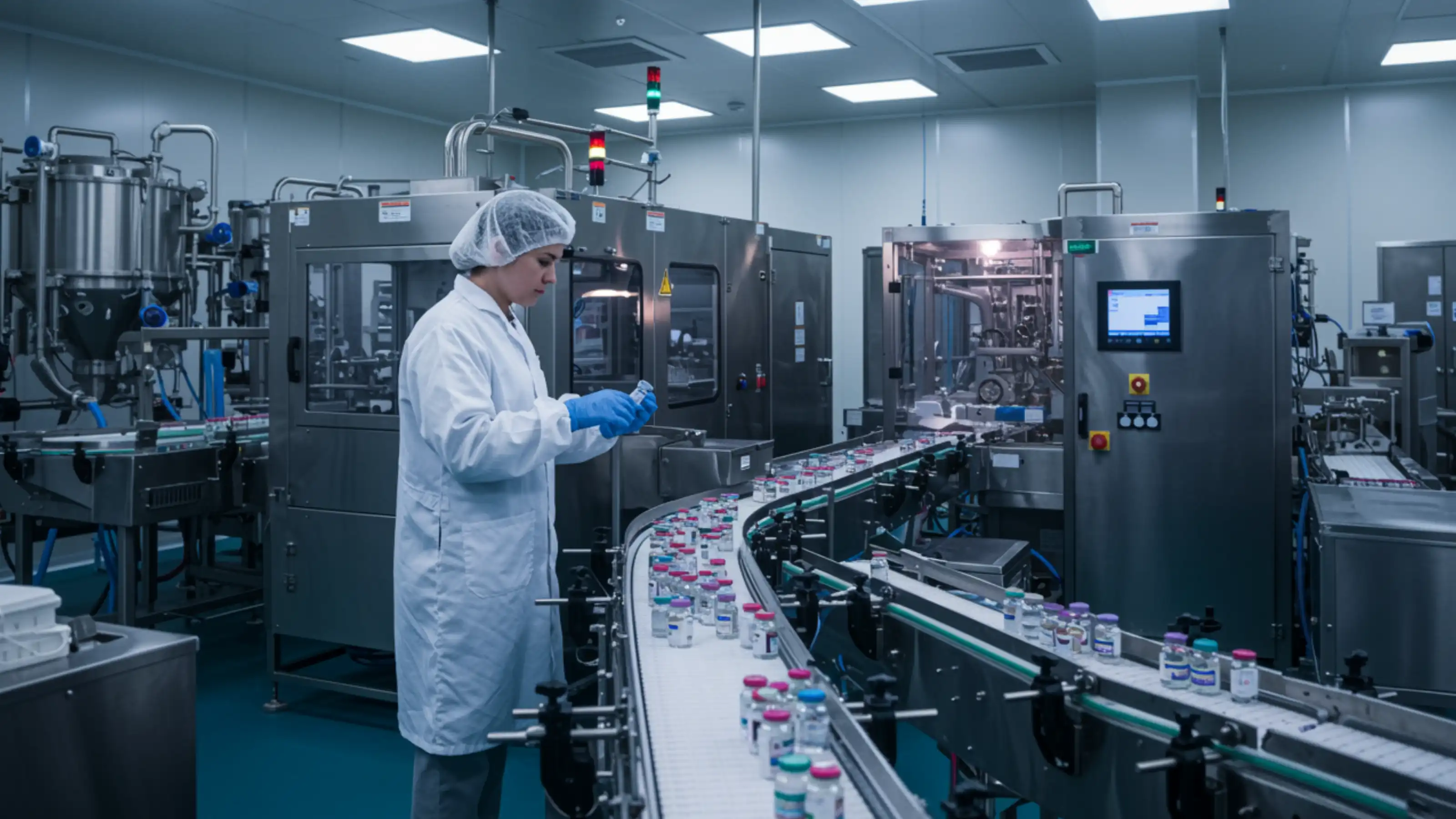
Implementing a LIMS improves the overall operational efficiency of a laboratory. A LIMS saves time otherwise spent on manual data logging and maintenance, thus offering an efficient data management solution. Modern LIMS software typically offer extensive configurability capabilities as well, as each laboratory's needs for tracking additional data points can vary widely. IndX team of experts configures, deploys and integrates top-of-the-line LIMS software offerings to help customers implement digital laboratory solutions that are effective for their specific environments and needs. Many LIMS users also have regulatory concerns to comply with, such as CLIA, HIPAA, GLP, and FDA specifications, affecting certain aspects of sample management in a LIMS solution. One key to compliance with many of these standards is audit logging of all changes to LIMS data and in some cases a full electronic signature system is required for rigorous tracking of field-level changes to LIMS data. With extensive experience delivering LIMS to manufacturers in the Food & Beverage, Chemical and Pharmaceutical sectors, IndX is the right partner to help process manufacturers automate their labs, ensure regulatory compliance and make their day-to-day laboratory processes more efficient and standardized.