










Back
Back
Back
Back


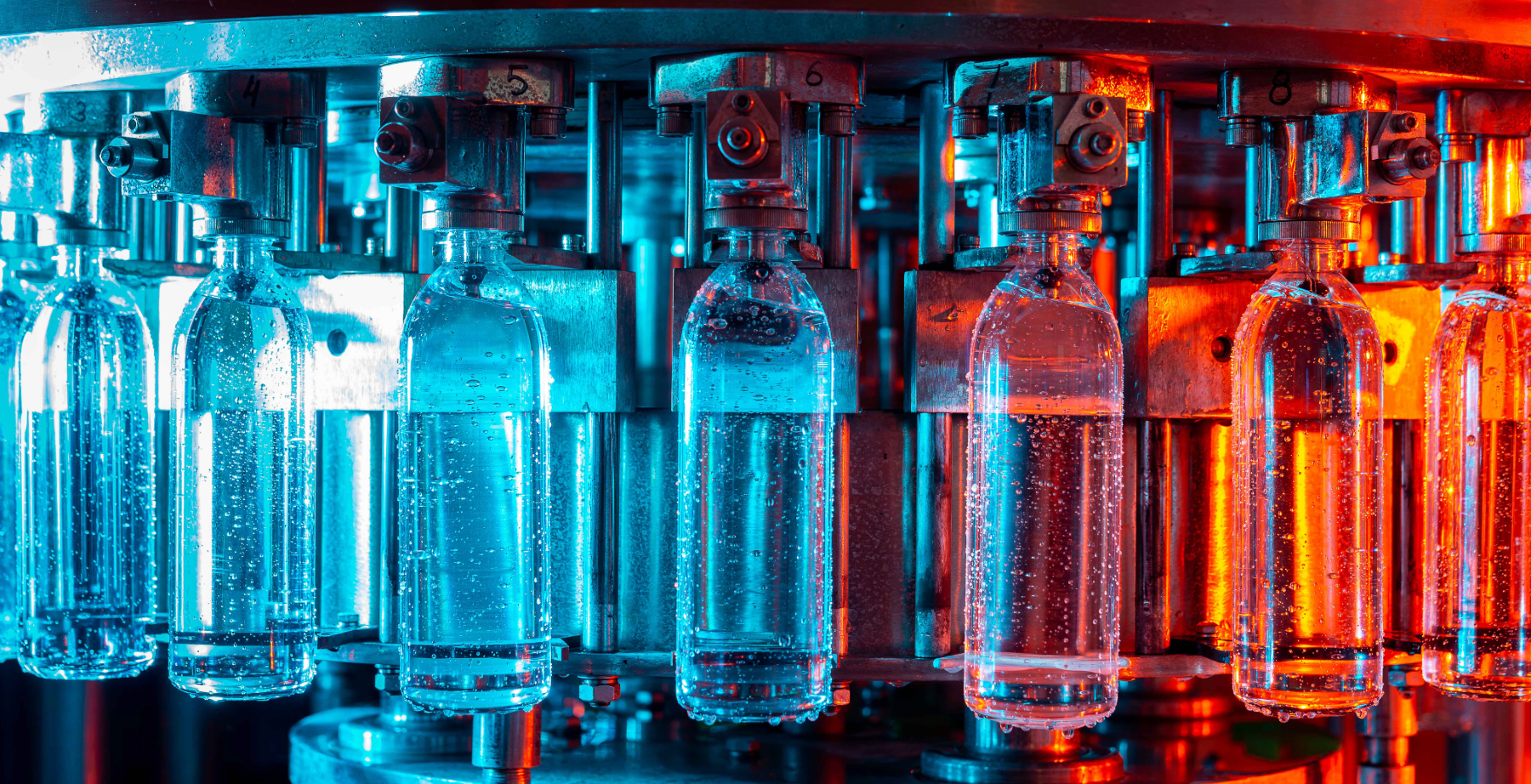
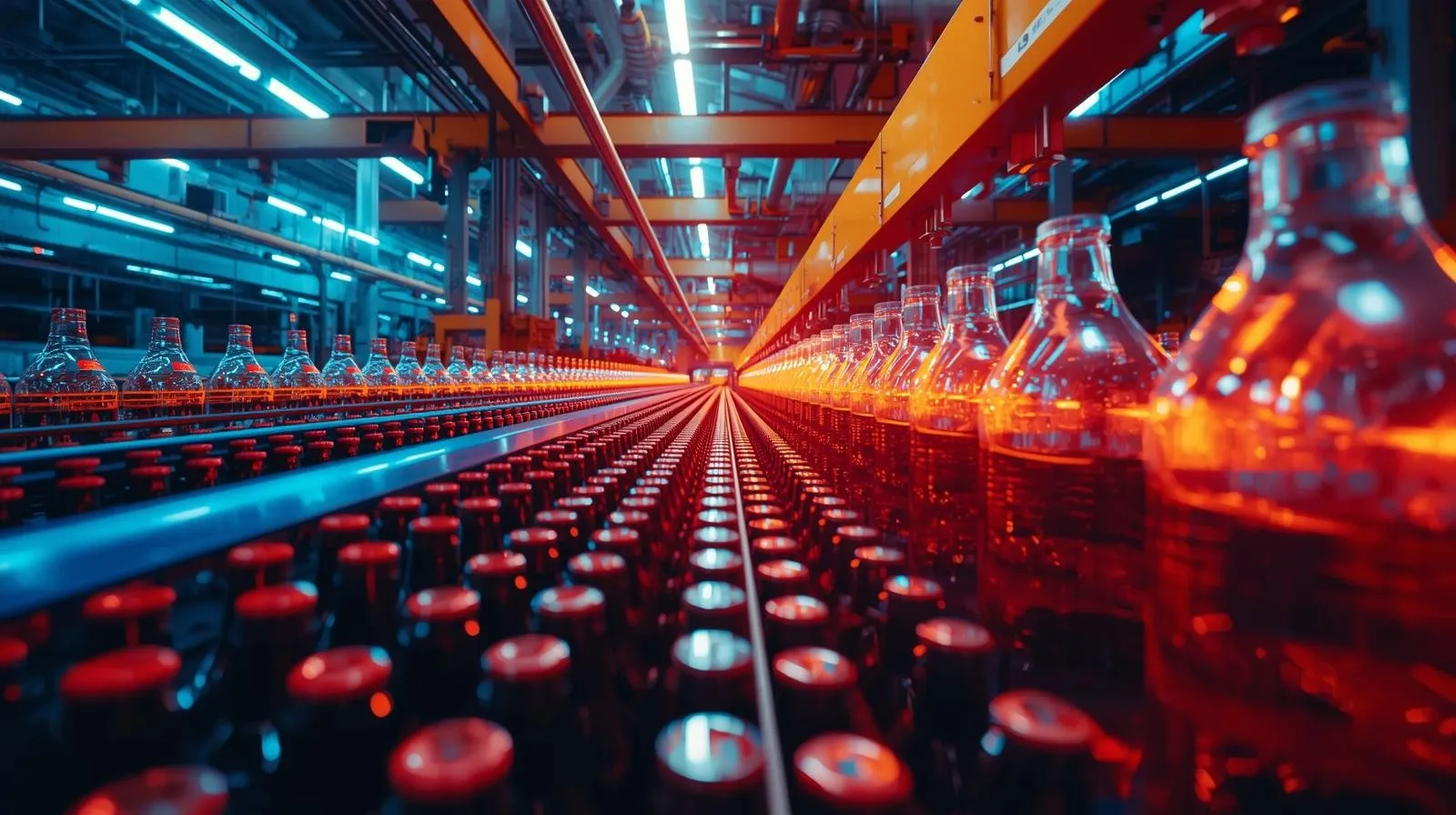
Starvation, blocking, and micro-stops quietly take a fifth of your rated capacity and never appear on a downtime report. IndX puts AI on the industrial edge of your filling, capping, labeling, canning, and kegging lines. It learns how every machine behaves, anticipates the next stop, and adjusts speed continuously. More hectoliters per shift, less product loss, and less energy burned running at the wrong rate.
Line speed is not a machine problem. It is a coordination problem. The filler is rarely your constraint. What costs you hectoliters is how the line responds in the seconds after something upstream slows down.
Bottling and brewing lines run mixed machine parks, thin accumulation, and constant changeovers between glass, PET, can, and keg. Each of these problems is survivable alone. Together they set a ceiling on OEE that no amount of maintenance spend will lift.
A fallen bottle at the labeler, a can jam at the seamer, a short CIP cycle, a keg rejected at the checkweigher. Individually invisible. Cumulatively they starve the filler and block the palletizer across every shift.
Starving & BlockingOperators read buffer levels visually and adjust setpoints by judgment. That works at steady state. It does not work in the ninety seconds after an unplanned stop, which is exactly when the decision matters.
Reactive OperationsLean programs cut accumulation to free floor space and reduce WIP. Smaller buffers give operators less time to react, so the same disturbance that used to be absorbed now stops the line. In breweries the problem compounds, because the cellar and filtration feed the line at a rate the line cannot negotiate with.
Reduced AccumulationA single hall can run six vendors across blow molding, filling, labeling, and end of line, each with its own controller, data model, and vintage. Without a common language there is no line-level view, so nobody can optimize past the individual machine.
Interoperability GapSame equipment, same products, same shift pattern. The only variable is the controller.
On the reference bottling line, before and after enabling speed management
Pieces per minute on the same line, against an ideal run rate of 2,220
Across the measured production run, with no unplanned line stops
On legacy high-speed lines already running the controller in a live plant
Bottling and brewing are among the most energy intensive operations in consumer manufacturing, and most of the waste is not in the nameplate rating. It sits in the stopping, purging, reheating, and recirculating that unmanaged line behavior creates every single shift.
A stop on a filler, tunnel pasteurizer, or blow molder carries a fixed energy, water, and product loss cost, then a second cost in the ramp back to rate. Multiply by the number of stops in a week and the number stops being small.
An upstream machine held at full rate into a filling accumulator draws motor load, compressed air, and vacuum for containers the line cannot take. That energy is consumed whether or not it becomes a filled bottle.
Most sites track energy at the meter and OEE at the line, in different systems, on different cycles. Without the two side by side, no shift team can tell whether today's output cost more to produce than yesterday's.
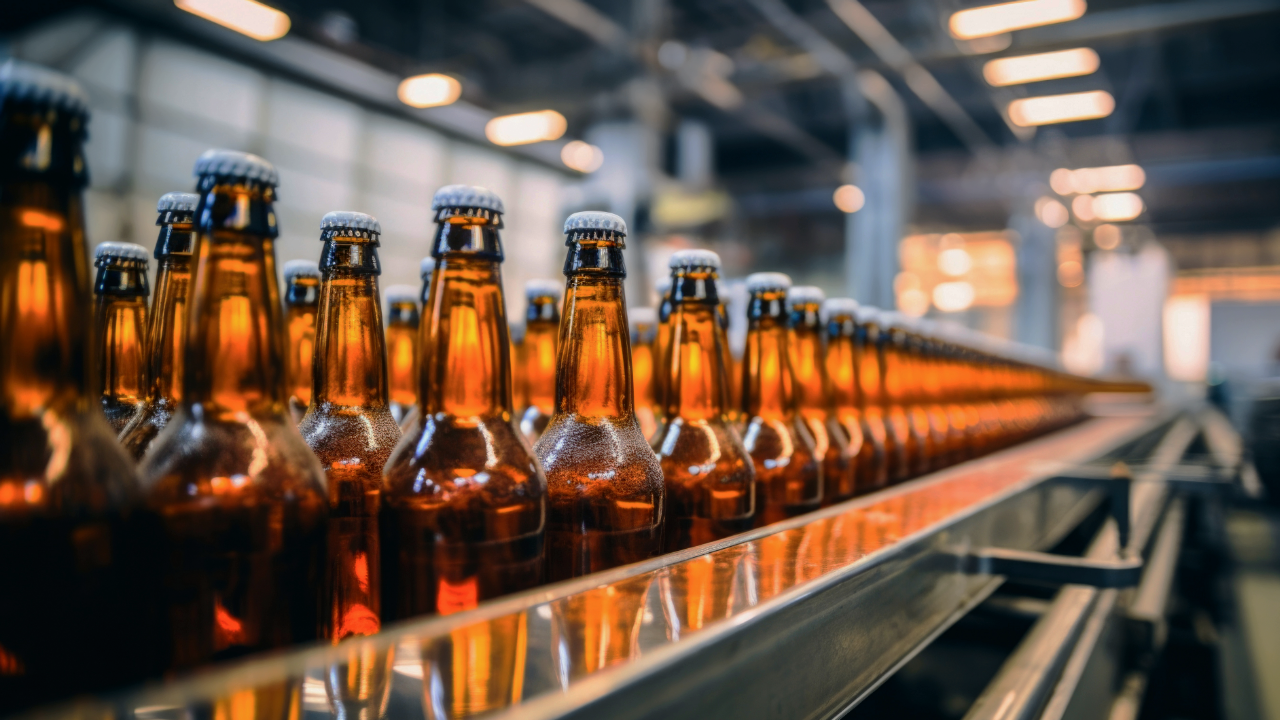
Real implementations with Coca-Cola bottlers and premium beverage producers. MES, OT/IT convergence, plant simulation, and specification management delivered on lines that never stopped running.
The second largest Coca-Cola bottler in Latin America was managing 45 facilities on monthly ERP reports, which made asset management reactive by design. IndX built IoT architectures for plants of differing processes and sizes, implemented full MES across the production process, integrated it with existing ERP, and connected assets for real-time performance analytics.
Serving 1.7 million customers across 29 countries, Coca-Cola HBC needed to converge OT and IT across a brownfield estate without interrupting production. IndX acted as ecosystem integrator across governance, technology standards, and cybersecurity. The pilot plant reached roughly 90% of its connectivity roadmap and the model is now scaling to further sites.
Advanced plant simulation was used to answer capacity and buffer questions before committing to physical change, then to speed up an OEE implementation for a South American beverage bottling company. This is the same modeling discipline that trains adaptive speed control before it ever touches a live line.
A global beverage leader with over 50 brands had no standardized approach to specification management across its bottling and distribution sites. IndX implemented a LIMS on Siemens Opcenter RD&L, went live in Italy in six months, and extended it across Europe, the Americas, Africa, and Australia.
“Line speed optimization is not about pushing machines harder. It is about the line agreeing with itself. Once AI at the edge can see every buffer and anticipate the next stop, the speed setpoint stops being a compromise and starts being a decision. That is where the recovered hectoliters come from, and it happens on the equipment our customers already own.
Fabio SalaVice President @ IndX North America | Industry 4.0 | AI
An AI application that runs on Siemens Industrial Edge, right beside the machines. It learns each asset's uptime and downtime behavior, watches buffer levels in real time, predicts the next stop or restart, and continuously sets the optimal speed for every machine on the line. Fewer blockages, fewer starvations, and a longer mean time between failures on equipment you already own.
We model your line in Siemens Tecnomatix Plant Simulation and train the AI against it. Capacity and buffer questions get answered before anything touches the floor.
Containerized AI runs locally on Simatic Edge with low latency and no dependence on a cloud round trip. Decisions land in seconds, at the machine.
Standardized machine communication across mixed OEMs, native or retrofitted. One integration pattern that scales from one line to a global estate.
Real-time status feeds the model, results feed the OEE application, and history retrains the model. Energy per hectoliter sits in the same view as availability and performance.
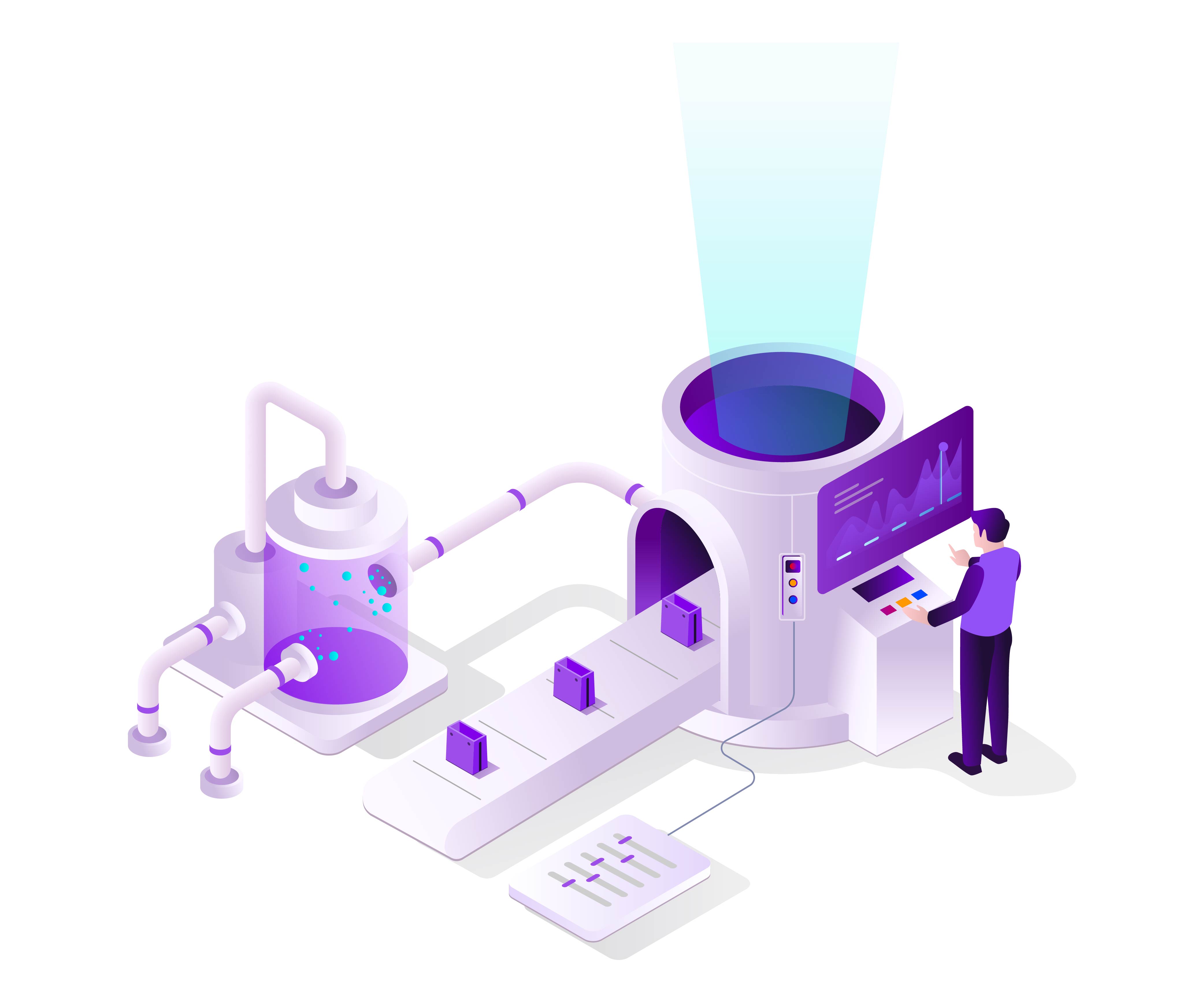
IndX is the digital transformation division of Engineering Group, with around 14,000 people across 80 offices. No bottling group runs a single vendor, and no single vendor solves the whole line. We hold deep certified practices across four platform partners and bring the right one to each part of the problem, from the edge device at the filler to the plan in the enterprise system.

.svg.avif)
These are the questions we hear in the first meeting with VPs of Manufacturing, plant and brewery directors, and continuous improvement leads.
Then the assessment costs you 30 minutes and confirms it. In our experience, lines with strong OEE on paper still carry five to fifteen points of recoverable loss in short stops that are never coded correctly. The measurement is the point.
It is not. The first line is a contained project. We assess, model, deploy on edge hardware beside the machines, and train the model on your data. You get a running result on one line before committing to a rollout.
That is the normal starting condition in any bottling hall and the reason OPC UA exists. Estates described as a jungle of different technologies have moved from five data points per machine to hundreds using a companion specification approach. Mixed vendors are a scope question, not a blocker.
Retrofit is standard practice. Where a machine cannot expose data natively, we add sensors and IoT gateways and bring it into the same communication layer as new equipment. Brownfield lines are where most of the value sits.
Collecting is not controlling. Most bottlers and brewers have OEE reporting that explains yesterday. The difference here is a closed loop that acts on the line while the shift is still running.
This one is not. The AI Speed Management Controller is deployed in production at a global manufacturer and is being rolled out across further sites. It is a validated edge application with published results, not a proof of concept.
It is, and that is precisely what we do. Coca-Cola HBC ran their OT/IT convergence program with IndX across a 62-plant estate, starting with one pilot plant covering the majority of their vendor ecosystem, then scaling by criticality. Governance first, then technology.
Book your 30-minute session with an IndX line performance specialist who works in bottling and brewing every week. No cost, no obligation. Bring one line and a month of OEE data, or bring nothing at all and we will walk the hall with you.
You walk away with:
Tell us about the line. A specialist responds within one business day to schedule.


