












A business built on scale and precision
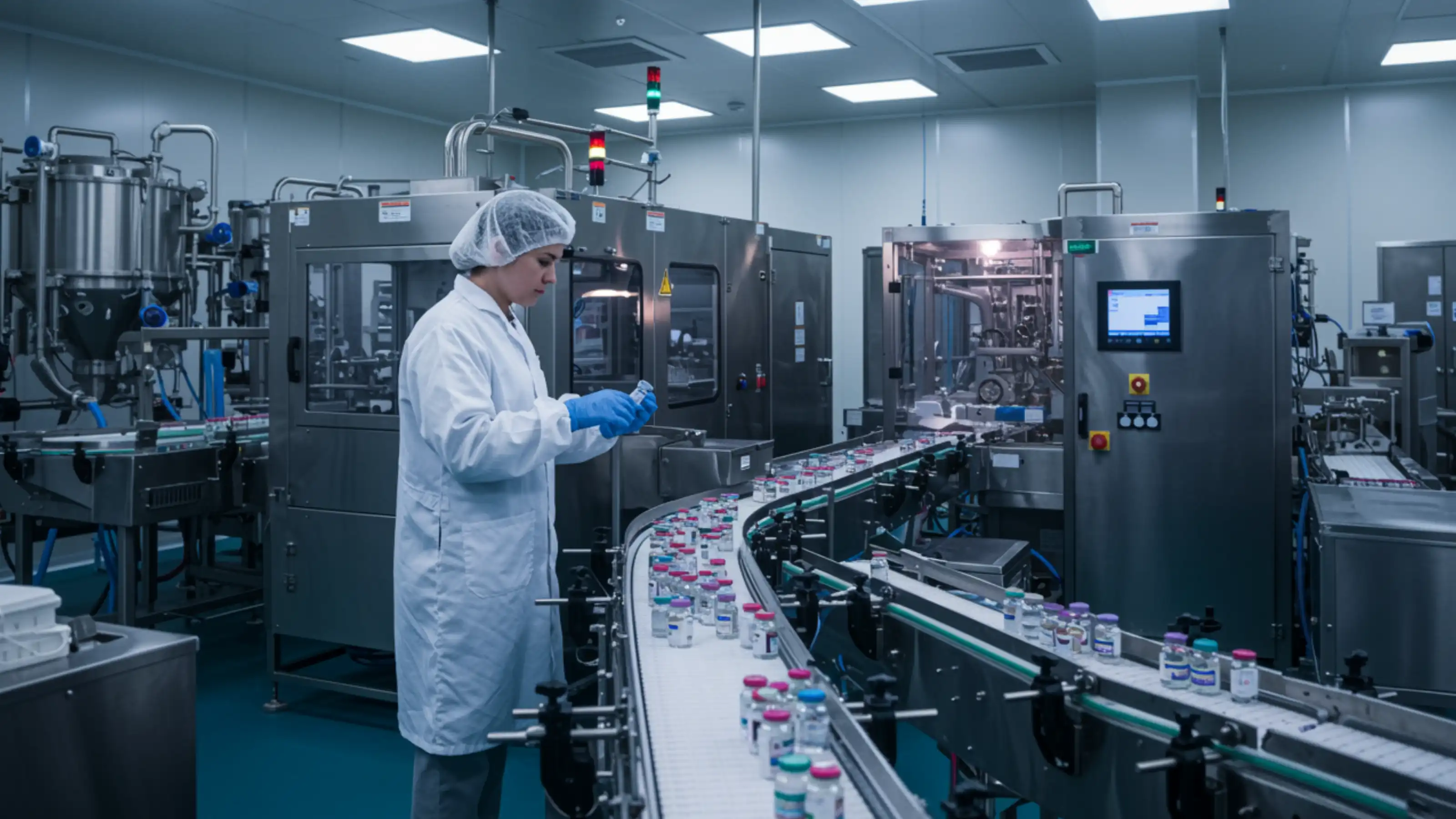
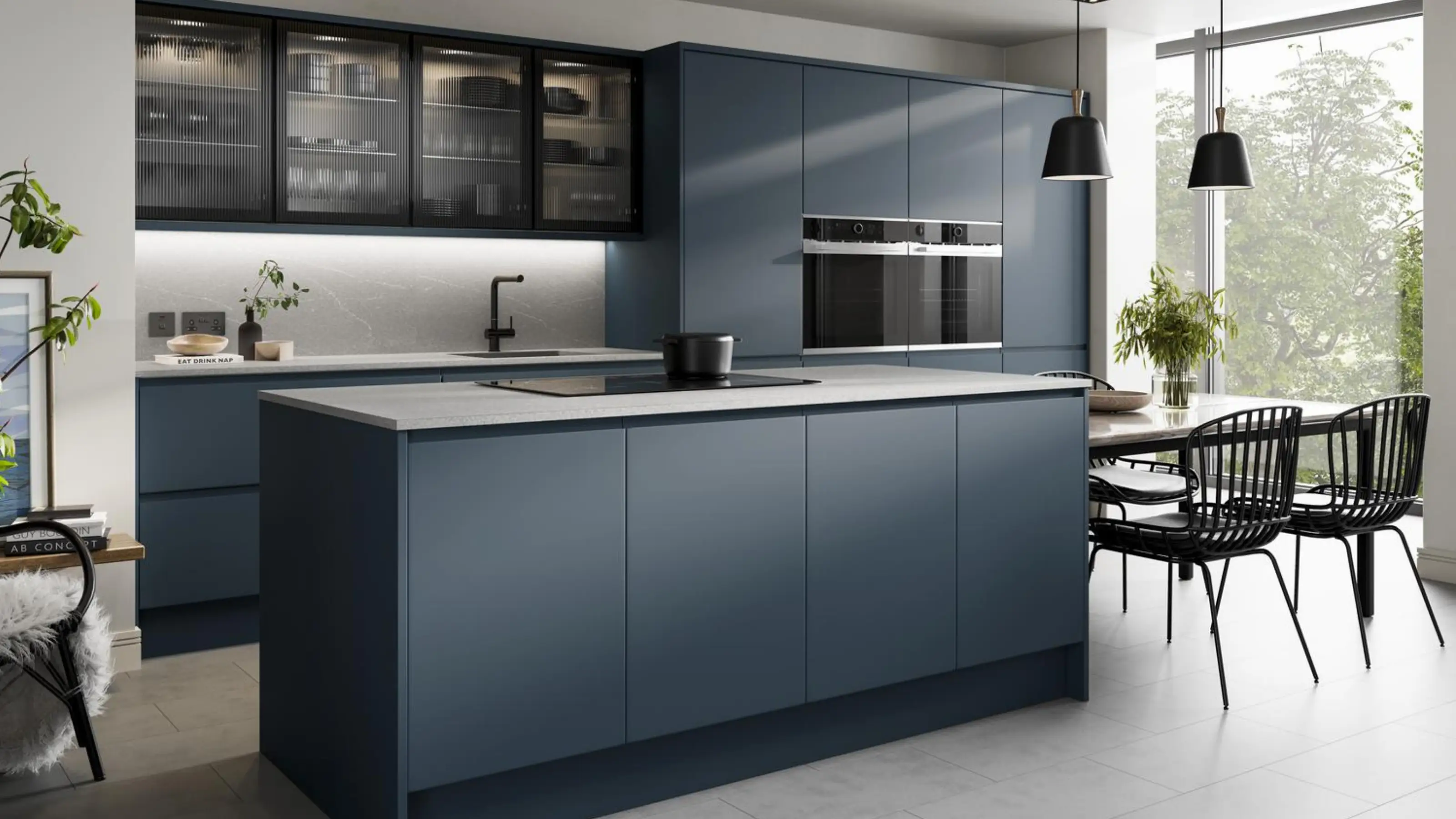
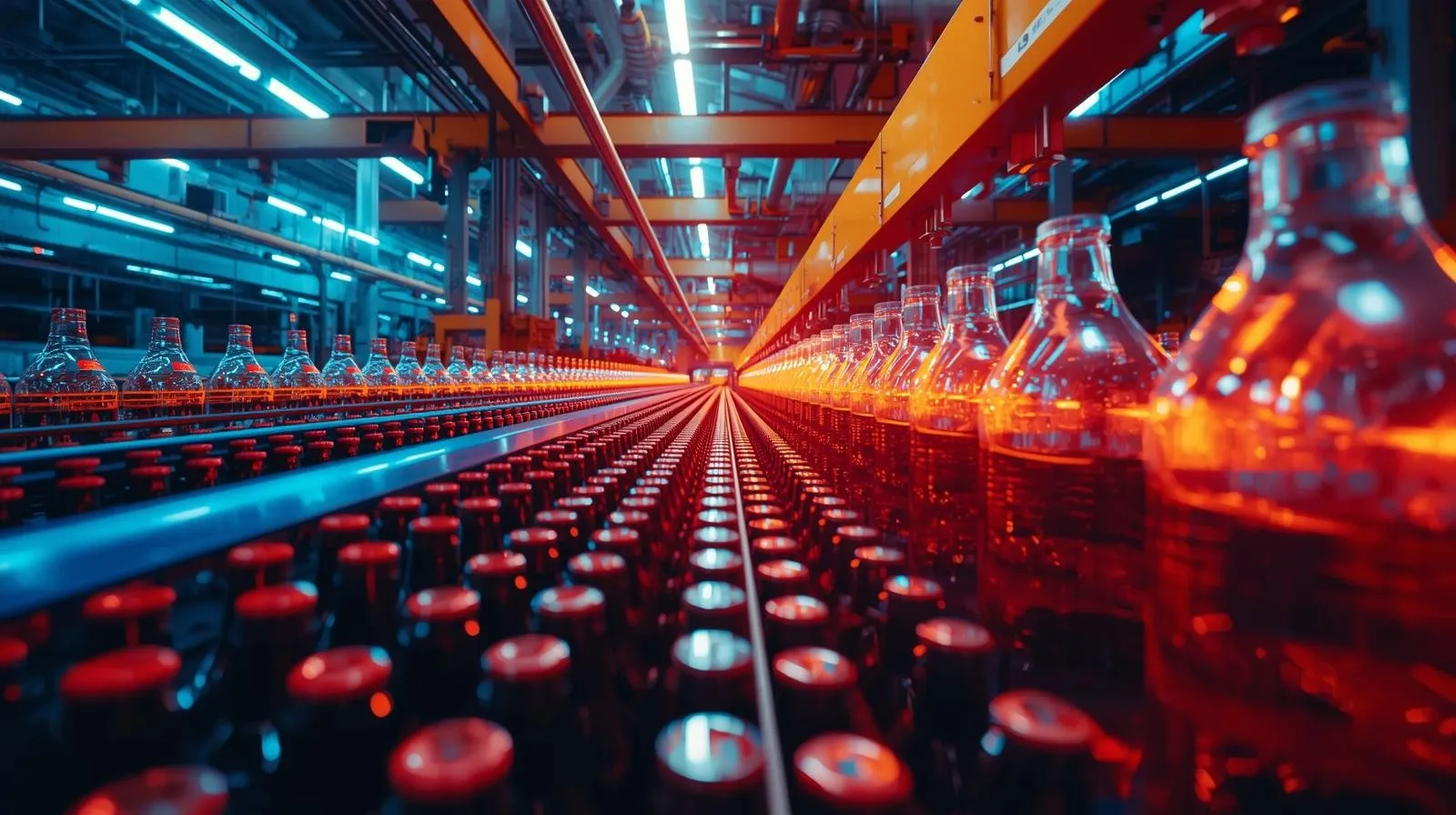
Howdens Joinery has supplied kitchens to trade professionals across the UK and Europe for 30 years. With five manufacturing sites, 950 depots and more than 44 million pieces distributed annually, the business runs on scale and precision.
For most of that history, production was built on a make-to-stock model: plan ahead, build to forecast, hold inventory. It was efficient and well-suited to a world where customers chose from a defined range.
When customer expectations outpaced the production model
That world changed. Customers increasingly want kitchens in specific, non-standard colours — ordered on demand, manufactured to their exact specification, delivered within a tight window. A forecast-driven model cannot accommodate that. No forecast can predict which exact colours, in which exact quantities, individual customers will choose.
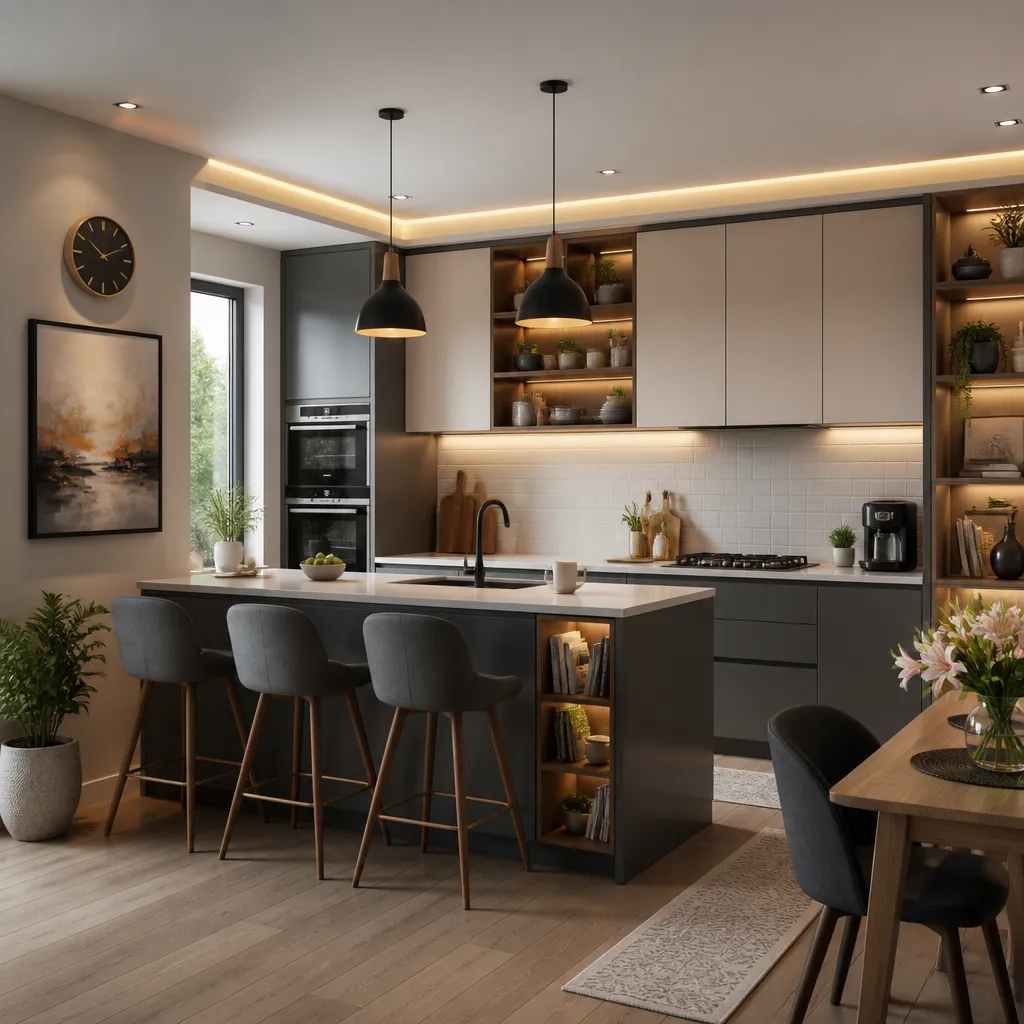
"The kitchen market has changed a lot over the years. We don't sell a kitchen, we provide a living space, the central part of their homes."
David Peacock, IS Manufacturing Systems Technical Lead at Howdens
Three limitations that couldn't be patched
By 2020, Howdens' leadership recognised that the existing systems were no longer fit for where the business needed to go:
- Production plans could not be linked to specific sales orders
- The combined SAP MES and homegrown MES setup was difficult to scale across 140 production lines
- Planning based on historical demand was generating inaccuracies that would only compound as the custom product range expanded
The decision was made to replace the legacy manufacturing execution environment with SAP Digital Manufacturing and redesign production around the customer order, not the forecast.
Start small. Prove it. Then scale.
Howdens worked with IndX to implement SAP Digital Manufacturing using a deliberate approach: start with one site, prove the model, then roll out across the network.
The first deployment targeted the paint-to-order facility — where customers specify exact cabinet colours and orders must be fulfilled within a five-day manufacturing window. Getting this right validated the entire transformation direction.
Making the order journey frictionless
For make-to-order to work at Howdens' scale, the full order journey — from depot sales order through production routing to final distribution - had to run without manual handoffs.
IndX built the functional and technical integration between SAP Digital Manufacturing and SAP ERP that made this possible. Where platform gaps existed, SAP Business Technology Platform was used to extend the solution with a scanning capability and a direct sales-order-to-production-order connector.
The results, one year on
When SAP Digital Manufacturing went live at the end of 2023, the paint-to-order plant was handling around 100 unique customer orders monthly. By end of 2024:
- Orders grew from 100 to 5,000+ per month
- Pieces produced grew from 3,000 to 130,000
- Order lead time reduced from 21 days to 14 days
- Service level from primary sites to depots reached 99.98%
Despite the dramatic increase in transaction volumes, SAP Digital Manufacturing maintained full operational speed throughout.