

















In recent years, digital manufacturing has become one of the most frequently used terms in discussions about industrial transformation. Manufacturing leaders are encouraged to invest in digital capabilities, adopt connected technologies, and modernize production environments in order to remain competitive. Despite the prevalence of the term, however, digital manufacturing often lacks a clear operational definition.
In many organizations, the concept is interpreted primarily through the lens of technology deployment. Companies implement analytics platforms, industrial IoT systems, automation tools, and digital twins with the expectation that these technologies will fundamentally improve manufacturing performance. Yet after significant investment, many leaders find that the underlying challenges of production—limited visibility, fragmented data, inconsistent processes, and slow problem resolution—remain largely unchanged.
This gap exists because digital manufacturing is frequently framed as a technology category rather than an operational capability. The presence of digital tools inside a factory does not, by itself, create a digitally capable manufacturing system. What ultimately determines whether a manufacturing environment is truly digital is the degree to which engineering data, operational data, and production execution are connected into a coherent decision environment.
Clarifying this distinction is important for manufacturing leaders making long-term investment decisions. Without a clear understanding of what digital manufacturing actually means in practice, organizations risk pursuing technology initiatives that add complexity without strengthening the operational system of the factory. This article examines how the concept of digital manufacturing became blurred, what the term actually describes in practice, and why many digital manufacturing initiatives struggle to deliver the operational improvements they promise.
How “Digital Manufacturing” Became a Technology Narrative
The term digital manufacturing gained prominence during the broader Industry 4.0 movement, when advances in connectivity, computing power, and data analytics began reshaping how industrial systems could operate. As manufacturers explored these technologies, the conversation around digital transformation increasingly centered on the tools themselves: industrial IoT platforms, advanced analytics systems, robotics, automation, and digital twins.
Over time, this technology focus began to shape how digital manufacturing was defined. Industry discussions increasingly described the concept as a collection of tools that could modernize production environments. Technology vendors reinforced this perspective by positioning their platforms as foundational components of the “digital factory,” emphasizing capabilities such as real-time monitoring and predictive analytics.
While these technologies can play an important role in modern manufacturing systems, defining digital manufacturing primarily through the technologies deployed can obscure the operational question that matters most: what actually changes in the way the manufacturing organization functions?
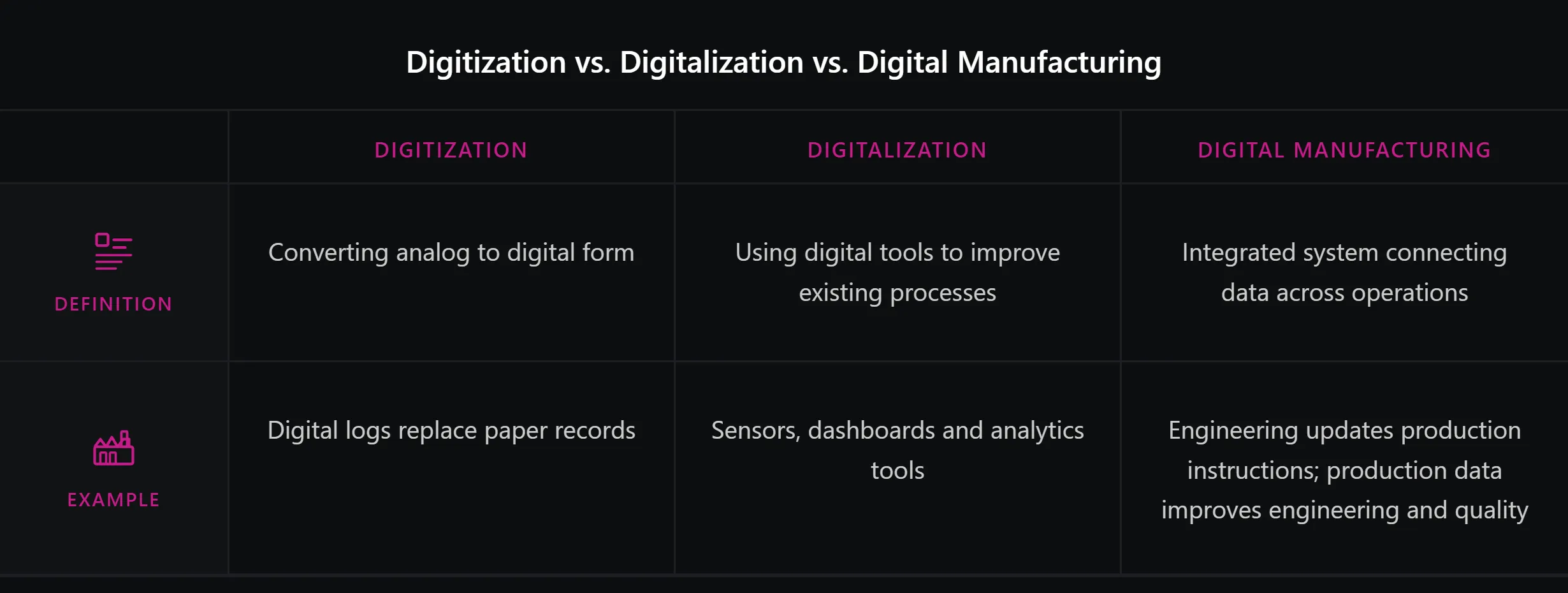
Part of the confusion stems from the way several related concepts are often used interchangeably.
Digitization refers to the process of converting physical or analog information into digital form. Examples include replacing paper-based production records with digital documentation or capturing machine readings electronically rather than manually.
Digitalization describes the application of digital technologies within existing processes. A manufacturer might introduce dashboards that visualize production data, deploy sensors that capture machine performance, or implement software tools that automate certain operational workflows.
Digital manufacturing, however, describes something different. It refers to the development of an integrated manufacturing environment in which engineering data, production data, and operational decision-making operate within a connected information system. Rather than individual tools improving isolated tasks, the manufacturing system itself becomes structured around shared digital information.
When these distinctions are blurred, organizations often deploy technology without addressing the operational structures that determine how manufacturing work is coordinated.
For example, a manufacturer may deploy an industrial IoT platform that collects large volumes of machine data across the factory floor. Dashboards display equipment utilization, cycle times, and performance metrics in real time. However, if production scheduling still operates through disconnected systems, engineering process definitions remain separate from shop-floor execution, and quality data is stored in another independent environment, the additional visibility may not translate into faster decision-making or sustained process improvement.
Similarly, companies sometimes invest heavily in advanced analytics tools intended to support predictive maintenance or process optimization. Yet if machine data, maintenance records, and engineering specifications are stored in separate systems with inconsistent data structures, the analytics capability often remains difficult to operationalize.
In these situations, technology has been introduced into the manufacturing environment, but the underlying operational system remains fragmented. As a result, the organization may have more data and more digital tools while still relying on manual coordination and localized troubleshooting to resolve production issues.
Understanding this distinction is important because digital manufacturing is ultimately not defined by the presence of modern technologies in the factory. It is defined by whether those technologies are integrated in a way that allows the manufacturing organization to operate as a coordinated, data-informed system.
What Digital Manufacturing Actually Looks Like in Practice
When digital manufacturing is functioning effectively, the change is visible not in the technologies installed on the factory floor, but in how manufacturing decisions are made and how information flows across the production system.
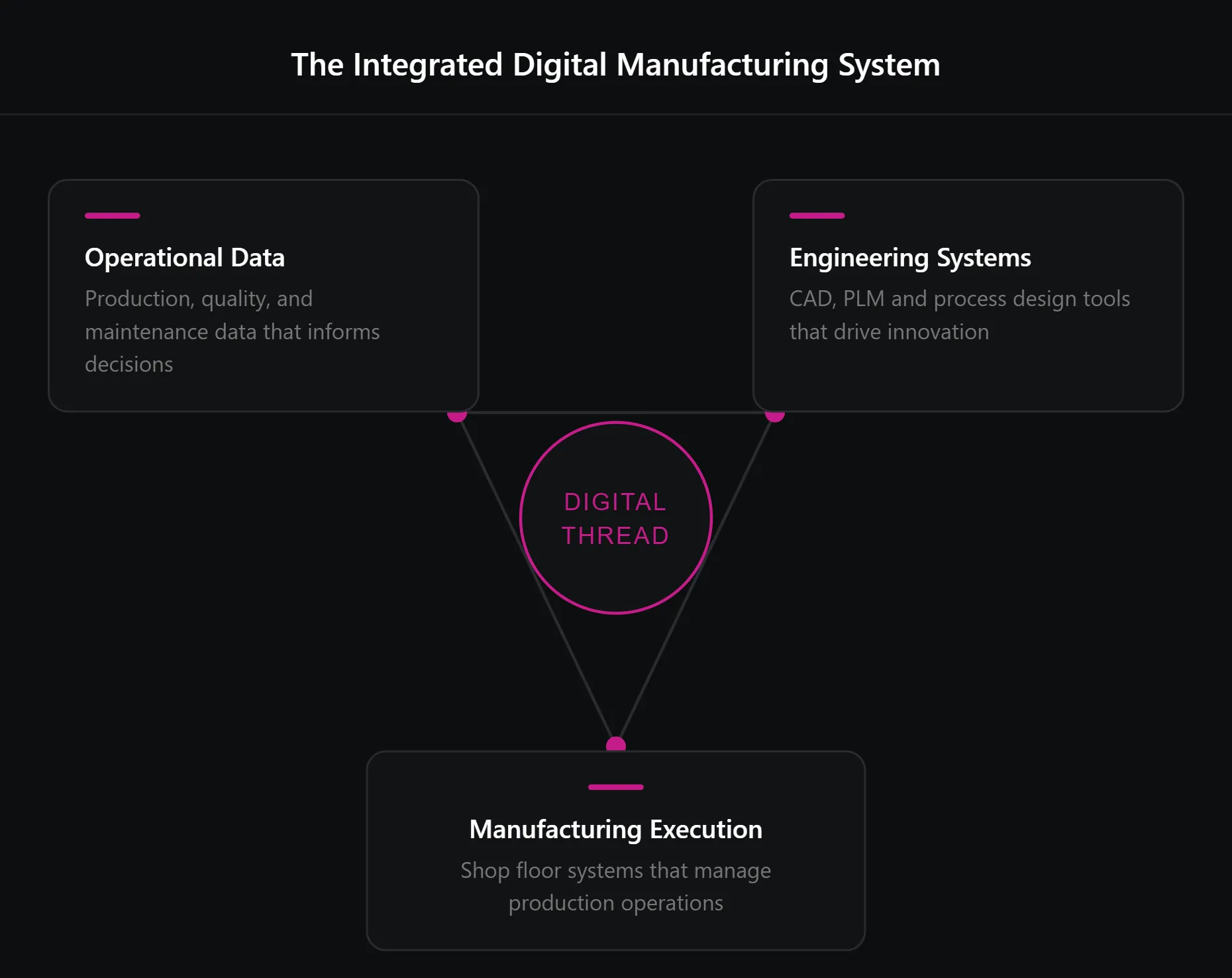
At its core, digital manufacturing connects three domains that have historically operated with limited integration: engineering definitions, operational execution, and production data. When these elements operate within a shared digital environment, manufacturing organizations gain the ability to understand and improve production performance with far greater precision.
A practical example of this approach can be seen in BMW’s digital production strategy, known as the BMW iFactory. Across its global manufacturing network, BMW has introduced digital tools that connect engineering, production planning, and factory operations into a shared digital environment.
In this type of environment, operational data is no longer confined to individual machines or isolated systems. Engineering teams, production planners, and manufacturing operators work from shared digital models of both products and processes. Production data generated on the factory floor feeds back into planning and engineering decisions, allowing the manufacturing system to continuously improve based on real operational performance.
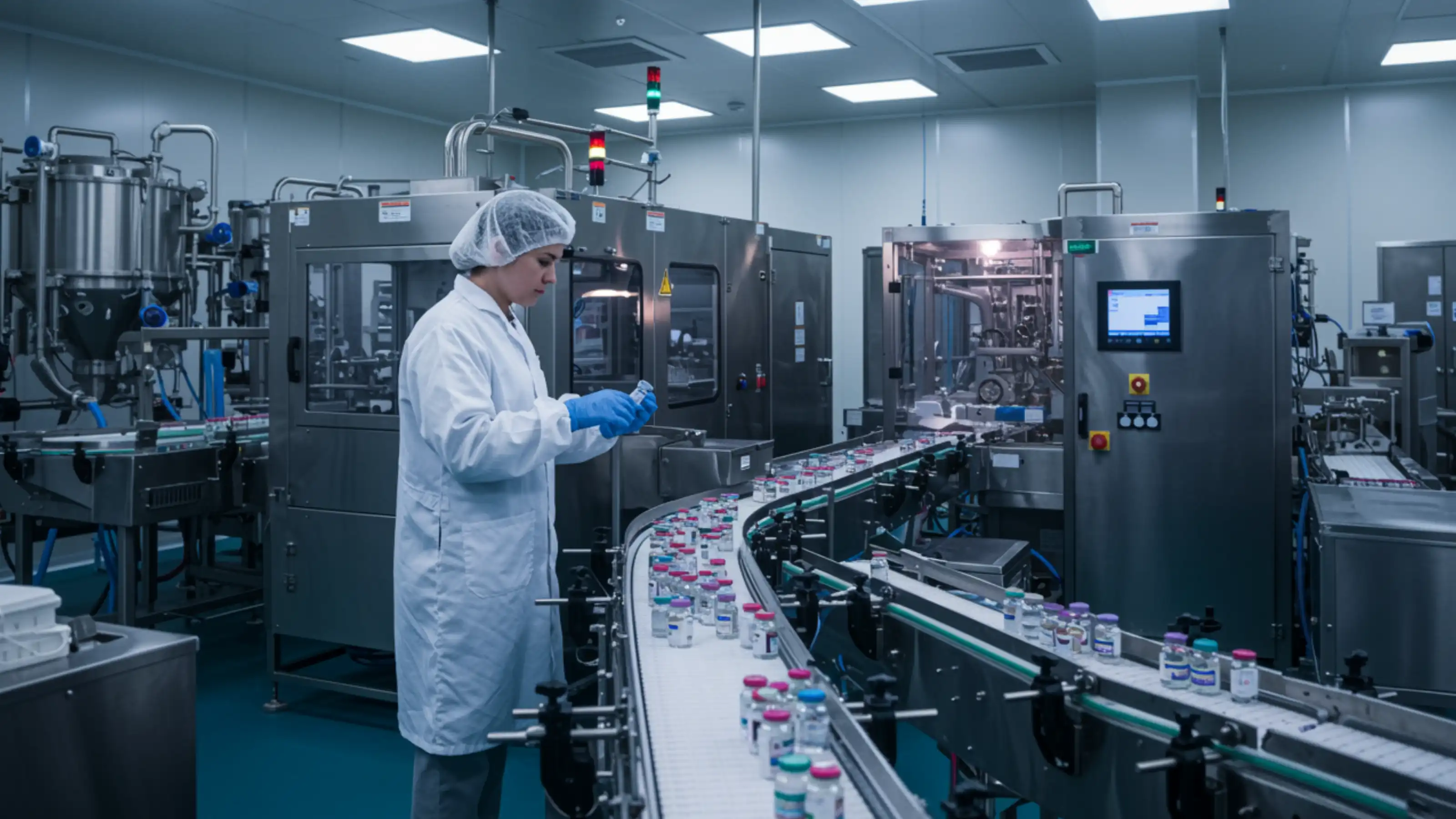
A similar principle applies in highly regulated manufacturing environments where traceability and process control are critical. In a digital manufacturing initiative for a pharmaceutical leader, IndX supported the implementation of integrated systems that connected product definitions, production processes, and quality data across the manufacturing lifecycle. This improved traceability, ensured consistent process execution, and strengthened coordination between engineering, production, and quality functions.
In environments such as pharmaceuticals, where compliance requirements and process precision are high, this level of integration becomes essential. Teams must operate from consistent digital definitions, while operational data continuously feeds back into process validation, quality assurance, and improvement efforts.
Across these examples, the defining feature of digital manufacturing is not simply the presence of digital tools, but the integration of engineering knowledge, operational data, and production execution into a coordinated information environment. When that integration is achieved, manufacturing organizations gain greater visibility, traceability, and control over production.
Why Many Digital Manufacturing Programs Struggle to Deliver Results
Despite significant investment in digital technologies, many manufacturing organizations find that their initiatives deliver incremental improvements rather than the operational transformation they expected. In most cases, the challenge is not the technology itself but the difficulty of integrating digital systems into existing manufacturing environments.
One common barrier is fragmented data across engineering, manufacturing, and quality systems. Most factories rely on multiple platforms that evolved independently over time. When new digital tools are introduced, inconsistent data structures and disconnected systems often prevent information from flowing across the production lifecycle.
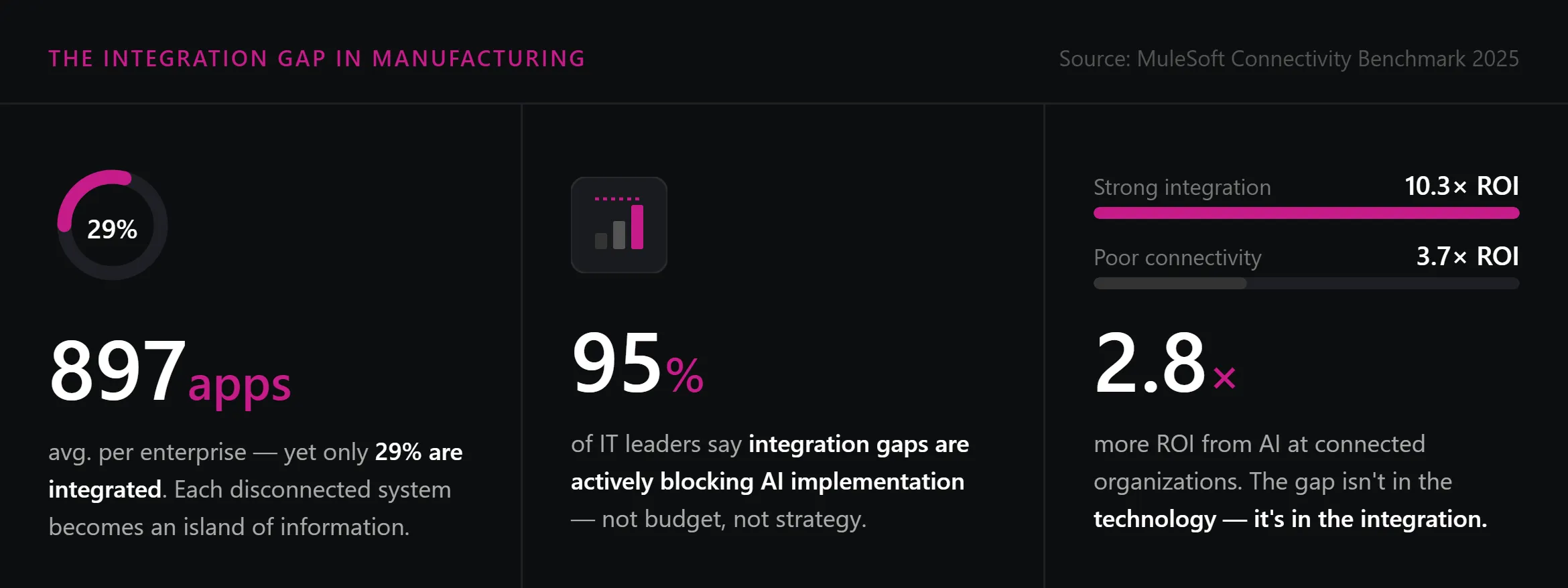
Process variation can create additional challenges. Digital manufacturing systems depend on structured, repeatable processes, yet many factories operate with differences across lines, facilities, or shifts. When those variations exist, digital platforms often expose operational inconsistencies rather than resolving them.
Integration between engineering and manufacturing teams also remains a persistent obstacle. Engineering groups define product specifications and process requirements, while manufacturing teams manage day-to-day production execution. If these groups rely on separate tools or change-management processes, maintaining continuity between engineering intent and shop-floor execution becomes difficult.
For this reason, digital manufacturing initiatives that succeed are rarely implemented as isolated technology deployments. They are implemented as operational transformation programs that align engineering systems, production processes, and data structures across the manufacturing environment.
For manufacturing leaders, the implication is straightforward: digital manufacturing should not be evaluated by the number of technologies introduced into the factory, but by whether those technologies strengthen the operational system that governs production.
Digital manufacturing is often described in terms of new technologies, but the real shift is operational. It is the point at which engineering systems, production processes, and operational data begin to function as a connected manufacturing environment.
Conclusion
Organizations that approach digital manufacturing as a technology initiative often add tools without fundamentally improving how production operates. The manufacturers that see real results treat digital manufacturing differently: as a deliberate effort to align engineering knowledge, production execution, and operational data into a system that can continuously improve itself.
For manufacturing leaders, the real question is not how digital the factory appears, but whether the organization has built the operational capability required to run manufacturing as an integrated, data-driven system. Has yours?