
















Back
Back
Back
Back


The customer represents the engineering headquarters of a European national navy, one of the branches of its country’s armed forces. The navy operates a sizable fleet of vessels from several main bases, each equipped with a military shipyard.

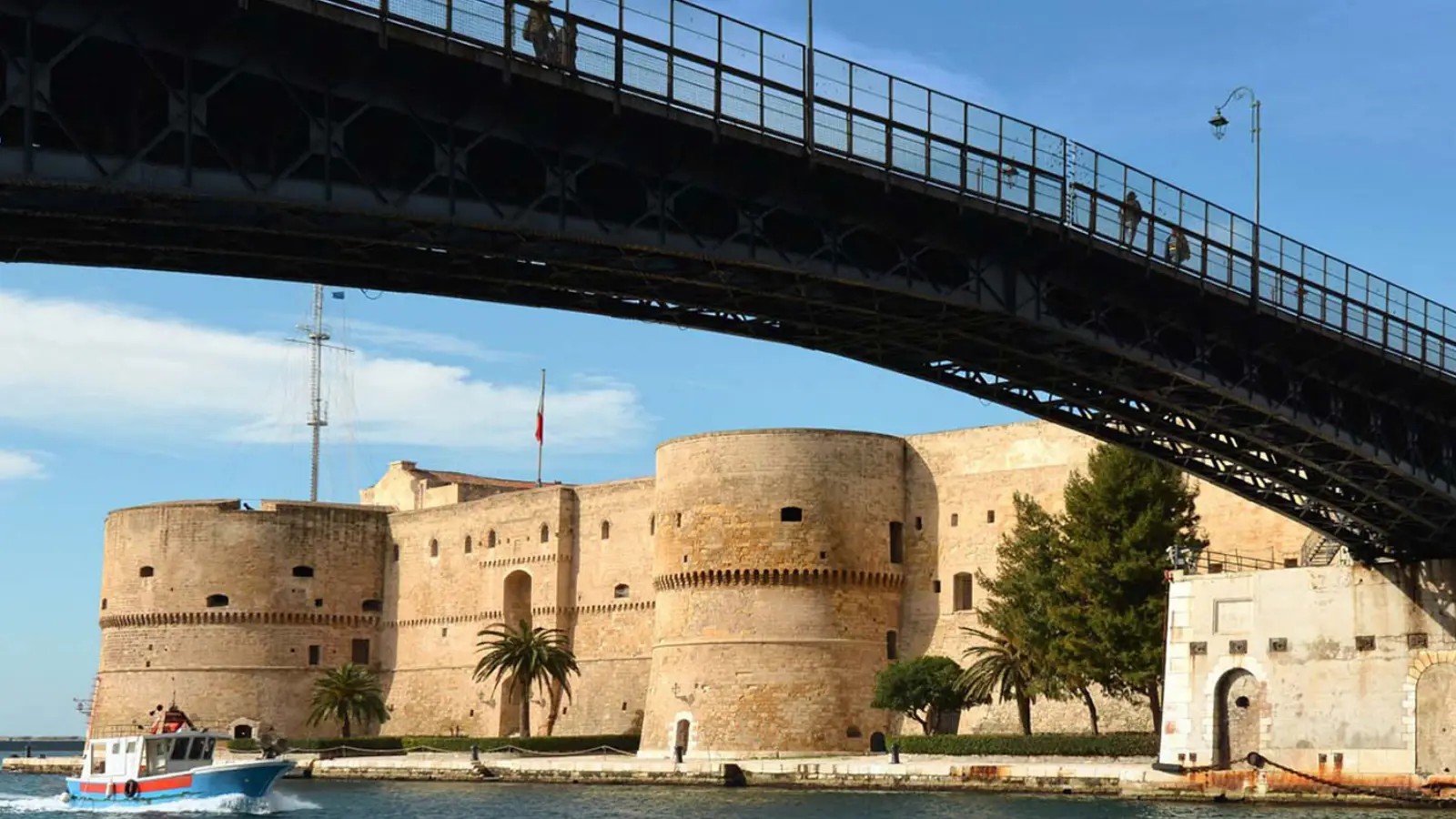
This historic swing bridge, originally built more than a century ago and later renewed, allows for the passage of large military ships into the naval dockyard when opened. The importance of this bridge to naval operations has led to the enforcement of a rigorous schedule of physical checks and maintenance interventions which ensure that it continues to function as expected.
Due to the unique structure and physics of the swing bridge, these frequent interventions are carried out by highly specialized operators and using very expensive equipment. In addition to being costly, the checks drastically interrupt the normal flow of urban traffic on the bridge. As a result, the navy’s engineering headquarters decided to invest in new technologies to facilitate and improve the monitoring, management and maintenance activities for the bridge. Thanks to our company’s expertise designing, implementing and integrating digital solutions for a long list of leading Aerospace, Space, Naval & Defense customers in both the U.S. and Europe, the customer partnered with IndX, Part of Accenture, for this initiative.
Our team first designed and built powerful sensors that were installed on the bridge in order to continuously monitor the structure and collect vibrational data in real time. The sensors are able to process an amount of data that is far too great and high volume than could ever be collected manually. The IoT system samples bridge vibrations at 200 Hz, meaning that the sensors collect 4,000 vibration instances every 5 seconds.
As the sensors measure bridge vibrations, they automatically collect and send this information to an integrated platform for real-time data management and analytics. Designed and deployed by our software development team, the system is a secure and central repository for all the vibrational data collected, creating a continuously-growing data lake related to the performance of the swing bridge that can be accessed, studied and utilized by the customer now and in the future.
The platform is also able to analyze the vibrational data and use it to deduct information about the stability of the bridge. The vibrational events are consumed as an input by a sophisticated algorithm developed by a Naval and Civil Engineer of the navy. The algorithm was based on the results from a 6-month pilot using the FEM, or Finite Element Method, a powerful method for computing the displacements, stresses and strains in a structure under a set of loads. If the dynamic response of the bridge changes too greatly over time or moves outside of a specific threshold, the system sends automatic notifications to alert relevant personnel. This information will be used by the navy to optimize maintenance planning and interventions for the swing bridge, saving costs and resources. It will also enable them to identify issues early and close the bridge in order to avoid possible unexpected failures.
The solution uses the data being collected to calculate and provide bridge performance analytics that can be accessed by naval personnel via a web-based application. There, authorized users can see and understand the dynamic responses of the bridge over different time periods. They can run drill-down analyses for KPIs that the sensors have been configured to extract from vibration signals, including Damping Time, Fourier Transformation, Peak Frequency, Peak Vibration, Velocity, Displacement and Dynamic Response.
Our team is very proud of the successful completion of this Asset Performance Management (APM) project, which was truly the result of a close collaboration between the navy, IndX teams in the U.S. and Italy. The dynamic monitoring system is now successfully running on the bridge, and the customer is analyzing the results of the data being collected by the system. We look forward to continuing to partner with the customer on future initiatives that will further expand the capabilities of their new monitoring system, including the integration of Artificial Intelligence and video image analysis to enable advanced pattern recognition and predictive analytics.
We believe the solution delivered is a powerful showcase of the value that digitalization can bring to infrastructure performance, stability, improvement and disaster prevention. The project was even cited at the national government level as an exemplary initiative for the modernization of electric control systems and bridge automation in the country. We also strongly believe that this initiative will be a critical use case for the future of smart infrastructure, showcasing how and why projects like this must be expanded in order to ensure the stability of bridges, buildings and critical structures across the customer’s country, in the U.S. and around the world.